
Tā te heamana | Message from Distinguished Professor Neil Gemmell FRSNZ
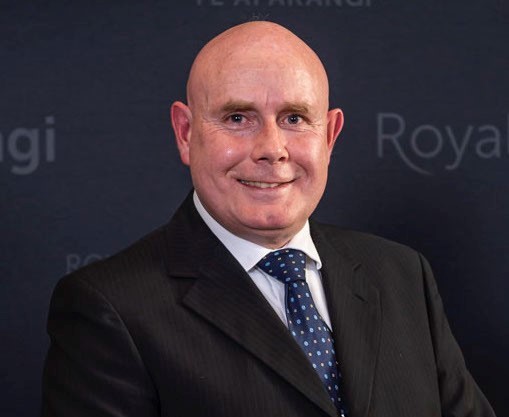
Distinguished Professor Neil Gemmell FRSNZ shares a message as Convenor – Biological and Environmental Sciences, Academy Executive Committee.
Tēnā koutou,
“May you live in interesting times” is an adage that seems apt for the moment. On the surface, it could be viewed optimistically – an interesting time sounds more appealing than a dull one. However, this adage is now commonly viewed as a “curse” of sorts – across history, interesting times have frequently brought challenges and hardship.
While often framed as an ancient Chinese saying, likely to give it mystique and gravitas, the phrase appears to have been popularised in British diplomatic and political circles by the Chamberlain family and was further elevated when Robert F. Kennedy used it in his “Ripple of Hope” speech.
Like it or not, we live in interesting, perhaps unprecedented, times for research in Aotearoa New Zealand and globally. We are navigating a generational change to our research systems, funding for research has reduced markedly and in some domains has been obliterated, and disinformation is rampant, with trust in science and experts ebbing. You will all be well aware of how these changes are impacting you, colleagues, staff, and students, but it is encouraging to see action on these very clear and present dangers to research via the “Threats to Research” Advisory Group co-chaired by Professors Neil Boister FRSNZ and Nancy November FRSNZ. I heard the views of many Fellows and Companions at a series of meetings held alongside the Society’s honours events. As a community we are clearly deeply concerned about the current trajectory, but also motivated to do more to thwart the current assault on research – frankly, threat seems a bit tame, understated and distant to described what we are witnessing.
The forthcoming Advisory Group report will provide detail, but my key takeaway is the importance of framing research funding as an investment rather than a cost. The 2025 Nobel Prize-winning work on innovation-driven economic growth reinforces this perspective. We must continue to demonstrate that research drives economic, social, and environmental progress. The challenge, and opportunity, is to shift from defending shrinking government budgets to making compelling cases for increased investment from government, industry, and commerce to accelerate positive outcomes.
We also need to advocate for and support the use of local research success stories in schools to make our work relatable and inspiring. Securing the future of research depends on engaging the next generation of researchers and elevating the societal value of research and scholarship. While curriculum changes may cause concern and uncertainty, they also present an opportunity for us to share New Zealand’s research achievements with educators. We can support this transition by providing resources and materials that support the curriculum, but also highlight our research successes. There is no shortage of these successes to share, as was amply illustrated at the recent awards ceremonies. Congratulations to all recipients, their whānau, and colleagues on those outstanding accomplishments.
Returning to RFK’s speech, he not only warned of dangers and uncertainty; but also noted that “we live in the most creative of any time in the history of mankind”, and it is that ripple of hope I wish to finish with. The challenges research faces locally and globally can be addressed through our collective creativity and efforts. So, as we move towards the holiday season, I encourage you to ponder what you might do to address the assault on research. What conversations could you have, what talks or interviews could you give, and what articles could you write that could help reaffirm the value of research?
Wishing you all happy holidays and the very best for the coming year.
Ngā mihi nui,
Neil Gemmell