
Expert perspective: Professor Tahu Kukutai FRSNZ
Demographer Professor Tahu Kukutai advises that patterns of fertility, mortality, and migration should guide planning and investment for future generations.
Demography isn’t destiny, but it sets powerful currents for our economic, social and environmental future.
‘Ka mua, ka muri’ is a popular whakataukī about looking to the past to understand the future. In many respects, this rings true for demography. Our current population size and structure is the product of past fertility, mortality, and migration. Today's demographic behaviours will affect our future size and composition. Because a nation’s age structure and characteristics have such profound impacts on its economy – affecting workforce dynamics and productivity, dependency burdens, and healthcare costs – understanding the different age structures and ageing trajectories of Aotearoa’s ethnic groups is critical.
In Aotearoa, population ageing is primarily a Pākehā (European) phenomenon, driven by low and declining fertility. The Pākehā age structure resembles a barrel, with fewer children than older people and the largest group in the older working ages. Population growth is negligible. In coming decades, the age structure will come to resemble an inverted pyramid – the shape of population decline – with the latest Stats NZ projections indicating that deaths will start to outpace births in the 2030s. Fertility will likely drop to very low levels, as it has throughout Europe and most of east Asia.
The Māori (as well as the Pacific) age structure is more triangular, with 30% aged under 15 years and much smaller shares at the older ages. While the number of older Māori will more than double in the next 25 years, reflecting improvements in life expectancy, the overall structure will remain relatively youthful. The stark differences in the age structures of Māori and Pākehā – with a median age of 27 and 42 years respectively – reflect the massive differences in the timing and intensity of their demographic transitions, as each has moved from high to low mortality and fertility.
The empirical evidence accumulated over many decades is very clear: a barrel can’t become a triangle, no matter the policy interventions. The different age structures, fertility levels, and migration profiles mean the demographic dominance of the Pākehā population will decline markedly in coming decades while the Māori, Pacific, and Asian ethnic groups’ shares will all increase, particularly at the younger ages. By mid-century, tamariki with whakapapa Māori will comprise 31% of all New Zealanders aged under 15 years. Investing in their educational and labour-market success is an investment in the nation’s future workforce and one that we can ill afford to get wrong.
Because ethnic and age composition vary significantly across the motu, so too will the opportunities and challenges associated with these population characteristics. Tāmaki Makaurau and Kirikiriroa are a world away from Thames and Tasman in terms of future labour market dynamics, population growth trajectories and service needs. Added to this are major disparities in terms of human capital, wealth and health. This structural patterning of life chances is more aptly described as regional divergence – departure from a common course – rather than mere regional difference. Regional divergence poses a challenge for social cohesion that must be addressed locally through community building, leadership and inclusive institutions. Iwi, local government, businesses and civil society, are likely to have more skin in the game, and more impact, than politicians and policy-makers at arm's length in Pōneke.
Over the long run, Aotearoa’s growth will be shaped by the interplay of fertility, mortality and migration. Recent research shows that a fertility rate that stays below the replacement level does not, on its own, mean depopulation. The outcomes also hinge partly on net migration. Although the recent media focus has been on the departure of citizens to Australia, Aotearoa has had a net migration gain almost every year since 2000 (with net losses in 2000, 2010, 2011, and 2021). In 2023, we had a whopping migration gain of just over 128,000. Among OECD nations we are distinctive in having a large global diaspora relative to our size, as well as a sizeable Indigenous population and a high share of overseas‑born residents. With the right settings, that diversity and dispersion can be a strategic advantage.
Demography isn’t destiny, but it sets powerful currents for our economic, social and environmental future.
Published November 2025
Watch a video and read more from Professor Kukutai
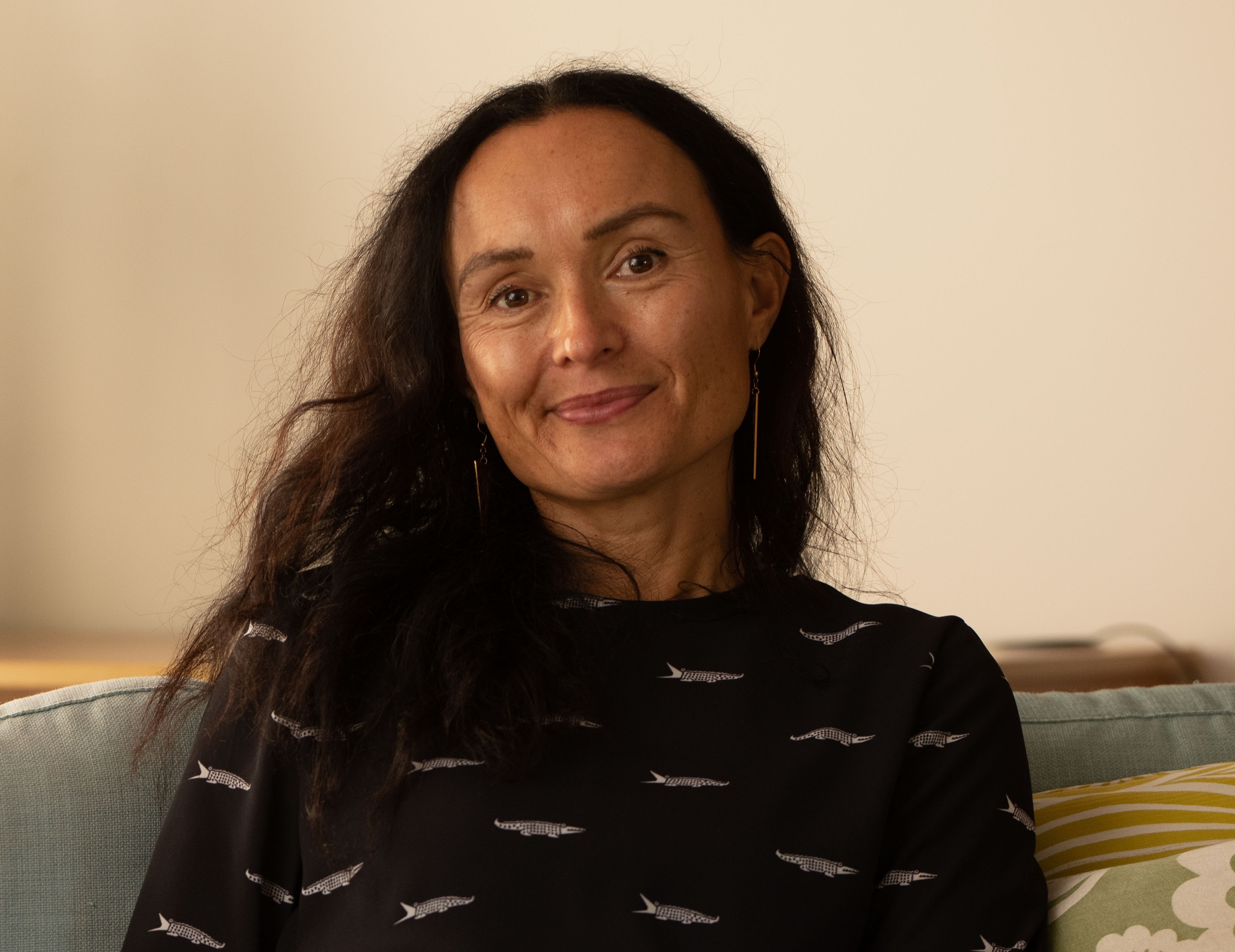
Professor Tahu Kukutai FRSNZ
Tahu Kukutai FRSNZ (Ngāti Tīpā, Ngāti Mahanga, Ngāti Kinohaku, Ngāti Ngawaero, Te Aupōuri) is Professor of demography at Te Ngira Institute for Population Research, at the University of Waikato and Co-Director of Ngā Pae o te Māramatanga Centre of Research Excellence. Tahu has published widely on census methodologies, state practices of ethnic and racial classification, and Indigenous data sovereignty, demography, and ethnic identity.