
Expert perspective: Dr Tom Paterson
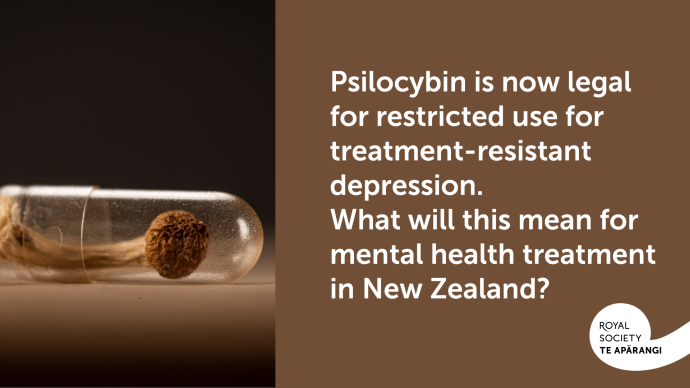
Psychiatrist Dr Tom Paterson calls for investment in research and delivery of care to ensure safe, equitable, and impactful access to psychedelic-assisted psychotherapy.
Medsafe's recent decision to allow psychedelic prescribing applications marks a potentially significant moment for mental health care in New Zealand. After decades of prohibition (remembering that these substances were used as sacred medicines and in therapy up until the 1970s), we now have a pathway for treating difficult mental health conditions including treatment-resistant depression, post-traumatic stress disorder (PTSD), anxiety disorders, and addiction. This development brings hope, but raises critical questions about safe and equitable implementation.
Psychedelic-assisted psychotherapy shows promise for conditions characterised by rigid patterns in thought, feeling, and behaviour. The therapeutic value lies not in the drug alone, but in complex interactions between substance, mindset, setting, therapeutic relationship, and guidance. Unlike conventional psychiatric medications, which allow daily management of symptoms, psychedelic therapy aims to catalyse consciousness shifts and growth of awareness which provide momentum for change in a person’s life.
I hope that this form of therapy encourages our biomedical system toward a more holistic frame. It will require practitioners (particularly medical) to embrace humility, training and experiencing transpersonal and spiritual dimensions that are absent from current medical training. Successful implementation will require braiding together of multiple perspectives and expertise.
Can we translate current research into the real world? Trial participants represent carefully selected populations that differ substantially from those who seek treatment in the real world. We're approving treatments before we have evidence from large samples and real-world populations. Without robust public funding for both research and treatment delivery, psychedelic-assisted therapy risks becoming available only to those who can afford private treatment, driving the most vulnerable patients toward unregulated underground alternatives.
We must acknowledge known risks alongside benefits, avoiding exceptionalism. History provides lessons about psychiatric “breakthroughs”. Antidepressants were hailed as revolutionary treatments, yet decades later we understand their limitations, side effects, and the complexity of depression (and other mental disorders). Psychedelic experiences can lead to destabilisation: profound realisations can dramatically impact relationships and life decisions. At the severe end, there is the risk of developing transient periods of psychosis, and in those with predisposing risk, enduring psychotic illness – however, these risks remain incompletely understood. The reality is that some may be harmed, while many may benefit. Like all health interventions, this balance must be fully understood to provide truly informed consent.
The approval by Medsafe highlights significant gaps between current healthcare infrastructure and requirements for psychedelic therapy. The biggest question is: where will access come from? The public health system would need to change significantly to provide specialist, high-cost, resource-intensive psychotherapeutic care. The Accident Compensation Corporation (ACC) could be a key player in evaluating cost-effectiveness, given its incentive to improve outcomes in difficult-to-treat populations.
Current regulatory frameworks place responsibility on prescribing doctors without clearly and explicitly addressing critical therapeutic components which determine outcomes. International standards consistently emphasise comprehensive training, and programmes are established in Switzerland, Germany, Canada, and Australia. Guidelines from the Royal Australian and New Zealand College of Psychiatrists recommend extensive supervision and competency assessments. One challenge is how to deliver experiential training (in which therapists have legal psychedelic experiences); expert consensus is that self-experience is essential for developing empathy with patient vulnerability and skills for navigating challenging states.
Any regulatory framework in Aotearoa New Zealand must acknowledge Māori rights under Te Tiriti o Waitangi. Article Two guarantees tino rangatiratanga over taonga, including rongoā Māori and traditional healing practices. This requires creating space for Māori-determined approaches alongside mainstream medical systems.
Realising psychedelic therapy's potential requires moving beyond individual prescriber approvals toward team-based practice approvals, and collaboration between appropriately trained medical practitioners, psychologists, therapists, and cultural and spiritual advisors. We need training standards aligned with international best practice, new accountability mechanisms, and strong expectations of research participation from clinics to build evidence for public integration.
Australia recently allocated AU$14.8 million for innovative mental health trials, including psychedelic therapy. Similar investment could establish a local evidence base needed for equitable public access.
The path ahead requires holding complexity – enabling access to potentially transformative treatments while ensuring safety, quality, equity, and humility.
Published December 2025

Tom Paterson has recently finished his psychiatry training with the RANZCP. He has been involved in psychedelic research in Auckland and Dunedin, and brings together interested practitioners through an online network. He is currently completing further training in addiction psychiatry, and hopes that psychedelic-assisted psychotherapy might help those experiencing trauma and addiction in Aotearoa.
Tom Paterson
Dr
The therapeutic value lies not in the drug alone, but in complex interactions between substance, mindset, setting, therapeutic relationship, and wise guidance.