
Expert perspective: Professor Kirsty Ross
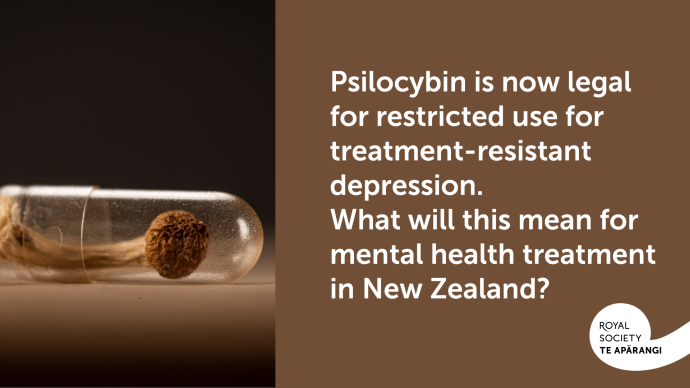
Clinical Psychologist, Professor Kirsty Ross, calls for research funding and evidence-based guidelines to ensure safe prescribing of psychedelic-assisted therapy.
Evidence for psychedelic substances in mental health treatment is growing. Clinical trials of psilocybin have produced evidence for its effectiveness for treatment-resistant depression, anxiety, and substance-use disorders, and demonstrated a good safety profile.
The evidence base for MDMA is also emerging, particularly for post-traumatic stress disorder (PTSD) and anxiety related to cancer, but there's still uncertainty around optimal dosage, duration of effects, and potential side effects, including in the long term.
Ketamine is known for its rapid and sustained antidepressant effects and ability to reduce PTSD symptoms. It is prescribed ‘off label’ for depression in NZ; its derivative esketamine is approved by Medsafe for treatment-resistant depression. Treatment is carefully monitored, due to the potential for misuse.
LSD went out of favour for many years due to the rare side effect of hallucinogen persisting perception disorder, which is a complex and debilitating condition. Researchers are investigating whether LSD can safely improve symptoms of mood or anxiety or reduce alcohol use, but the evidence is not yet sufficient to support use.
Importantly, these psychedelic substances are being researched in conjunction with psychotherapy – ‘talk therapy’. Their effects on the brain can enhance the effectiveness of therapy, helping new experiences and understandings to become embedded, and lead to behaviour changes and new thinking patterns. These substances can increase an individual's sense of connection, and feelings of empathy, forgiveness, and self-compassion, creating longer-term, substantial changes in their relationships, their sense of self, and the ways that they see the world.
PTSD and complex trauma involve feeling unsafe, threatened, and powerless, and not having a positive sense of self-worth. Depression is maintained by negative perceptions of self, negative views and expectations of other people, and a fear that the world is a threatening place; these beliefs feel unchangeable.
Some psychedelic substances can create openness to different understandings of self, the world, and other people, while reducing the perception of threat and increasing empowerment. Psychedelic substances reduce the reactivity of the amygdala, which reacts to emotions, particularly anxiety. Psychedelics can reduce overthinking (relevant for anxiety, depression, and PTSD) and improve communication between different parts of the brain. This can interrupt cycles of repetitive negative thinking, and encourage a more flexible mindset and open perspective.
MDMA and psilocybin can help people to try new things, rather than avoiding life out of fear and negative expectations. People are more open to social connection, and have more empathy and self-compassion, which is key for lifting mood. Mindset and positive expectations when using these substances are crucial to beneficial outcomes.
People who are currently self-medicating with these substances to reduce their distress face significant risks without evidence-based advice on safe dosages, frequency, side effects, and cumulative effects. Without access to prescribed substances, people might resort to risky or even criminal activities to obtain the potential benefits for their mental health.
Psychedelic-supported therapy requires ongoing funding for quality research. Any approved use must align with evidence and best practice. Informed consent and safe medication use shouldn't restrict access for those who would benefit.
I hope the research continues, and that it generates evidence to inform guidelines, and enable safe prescribing through qualified health professionals. As with any medications, psychedelic treatments should not be considered as a simplistic ‘fix’, but rather as working in conjunction with (and complementing) psychological therapy.
Published December 2025
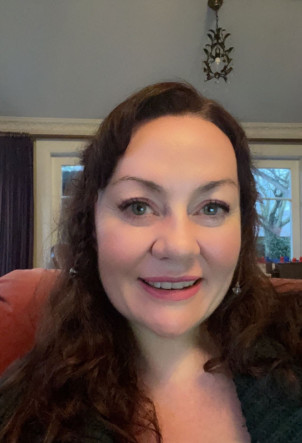 Professor Kirsty Ross is a Professor of Clinical Psychology and the Head of the School of Psychology at Te Kunenga ki Pūrehuroa – Massey University. She specialises in working with children, youth, and families. Kirsty has worked in mental health for over 20 years – particularly working with anxiety, trauma, and long-term and life-limiting health conditions.