
News
Published 21 May 2026Update on genetic technologies to inform public discussion
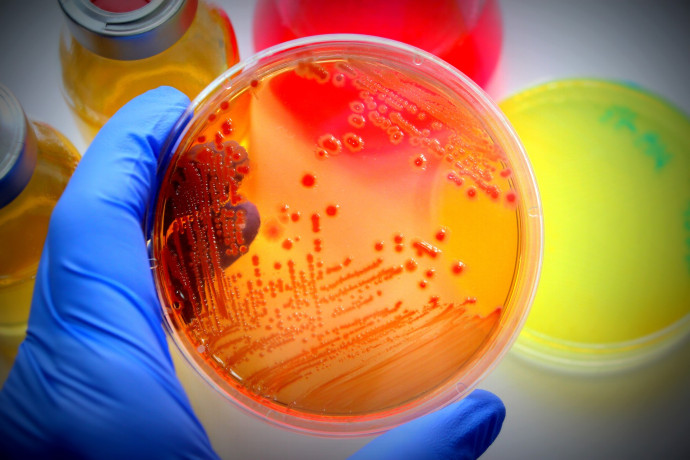
The Royal Society Te Apārangi has released a new evidence-based, peer-reviewed resource: Genetic technologies in Aotearoa New Zealand.
The resource provides an up-to-date look at the latest in genetic technologies, and ethics and cultural considerations specific to Aotearoa New Zealand. It was developed with guidance from experts in the field to inform public discussion on the current and future role of genetic technologies in this country.
Genetic technologies are used across many sectors in Aotearoa New Zealand. This resource focuses on usage in healthcare, primary industries, and conservation and the environment. For each sector, discussion of genetic technologies is often muddied by confusion around what usage is current, what is viable, and what is distant speculation. This resource gives an evidence-based overview of how genetic technologies work, including DNA sequencing and new CRISPR techniques, and explains the current state and applications of these technologies.
Overall, this resource provides clarity on what Aotearoa New Zealand is doing, how that fits with the international context, and an evidence-based look at what the risks and opportunities are for these emerging technologies.
This resource follows on from work published by the Society in 2019 that explored the social, cultural, legal, and economic implications of gene editing in New Zealand. Gene editing and broader genetic technologies continue to be a part of the national conversation today, including proposed regulatory changes. Scientists can do more with DNA than they ever could before; genetic technologies are increasingly precise and adaptable.
“Gene technology is changing rapidly, with both risks and benefits, and we must understand it if we are to use it safely and effectively,” says Professor Peter Dearden FRSNZ, of the University of Otago – Ōtākou Whakaihu Waka, who was a member of the advisory group for this project.
“Genetic technologies have the potential to transform agriculture, medicine, and pest control in Aotearoa New Zealand,” says Prof Dearden.
In Aotearoa New Zealand, we must continue to think carefully about the social and cultural implications of this technology, says Professor Amanda Black, of Lincoln University – Te Whare Wānaka o Aoraki, who was also a member of the advisory group “Genetic technologies have been, and still are to some hapū, contentious issues to work through. The research culture in Aotearoa is evolving to become inclusive of Māori values and boundaries, and this document represents the start of these conversations.”
Another member of the advisory group, Professor Louise Bicknell, University of Otago – Ōtākou Whakaihu Waka, highlights that Aotearoa New Zealand has hosted cutting-edge clinical trials for life-saving gene therapies. “Due to these new medical interventions, some people in this country are living longer and healthier lives without the impacts of genetic diseases.”
Distinguished Professor Dame Jane Harding DNZM FRACP FRSNZ, President of the Royal Society Te Apārangi, echoes the importance of evidence-based information. “The Society has a mandate to promote public understanding of science and research. Our independent, expert advice ensures that critical decisions for the country are informed by the latest knowledge. I invite all New Zealanders to learn more about the current state of these fast-evolving technologies.”
Advisory group:
- Professor Louise Bicknell, University of Otago – Ōtākou Whakaihu Waka
- Professor Amanda Black (Tūhoe, Whakatōhea, Te Whanau a Āpanui), Lincoln University – Te Whare Wānaka o Aoraki
- Professor Peter Dearden FRSNZ, University of Otago – Ōtākou Whakaihu Waka; Genomics Aotearoa
- Dr Patrick Gladding, Waitematā District Health Board
- Dr Kimberley Snowden, Bioeconomy Science Institute
- Professor Phillip Wilcox (Ngāti Rakaipaaka, Rongomaiwahine, Ngāti Kahungunu ki te Wairoa), University of Otago – Ōtākou Whakaihu Waka
The content was peer-reviewed by:
- Professor Andrew Allan FRSNZ, Bioeconomy Science Institute; University of Auckland – Waipapa Taumata Rau
- Professor Stephen Robertson FRSNZ University of Otago – Ōtākou Whakaihu Waka; Cure Kids
View resource: Genetic technologies in Aotearoa New Zealand